Knee Arthroscopy

Knee Pain Without Major Surgery? Knee Arthroscopy in Ahmedabad

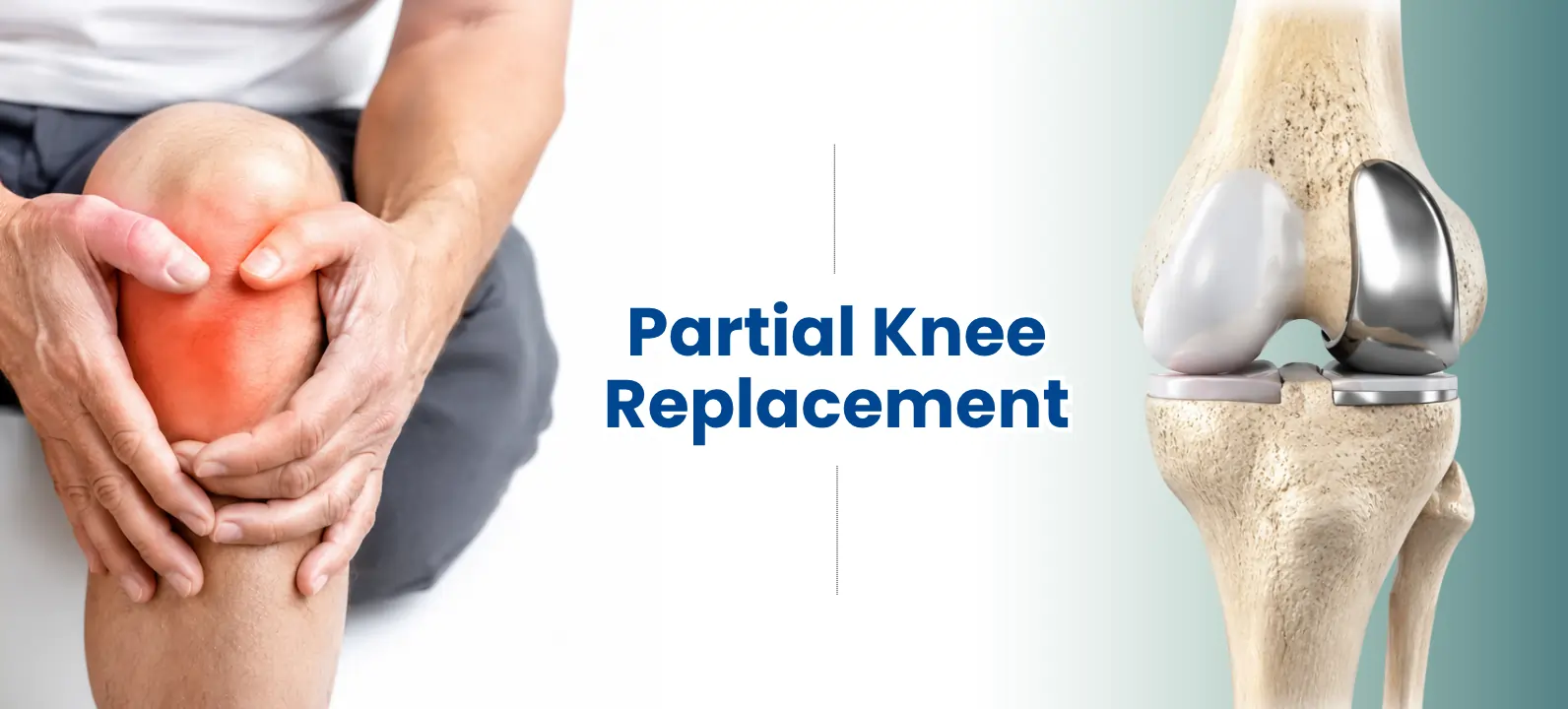
If you have persistent knee pain, locking, swelling, or a suspected ligament or cartilage injury, knee arthroscopy offers a minimally invasive way to examine and treat the joint.

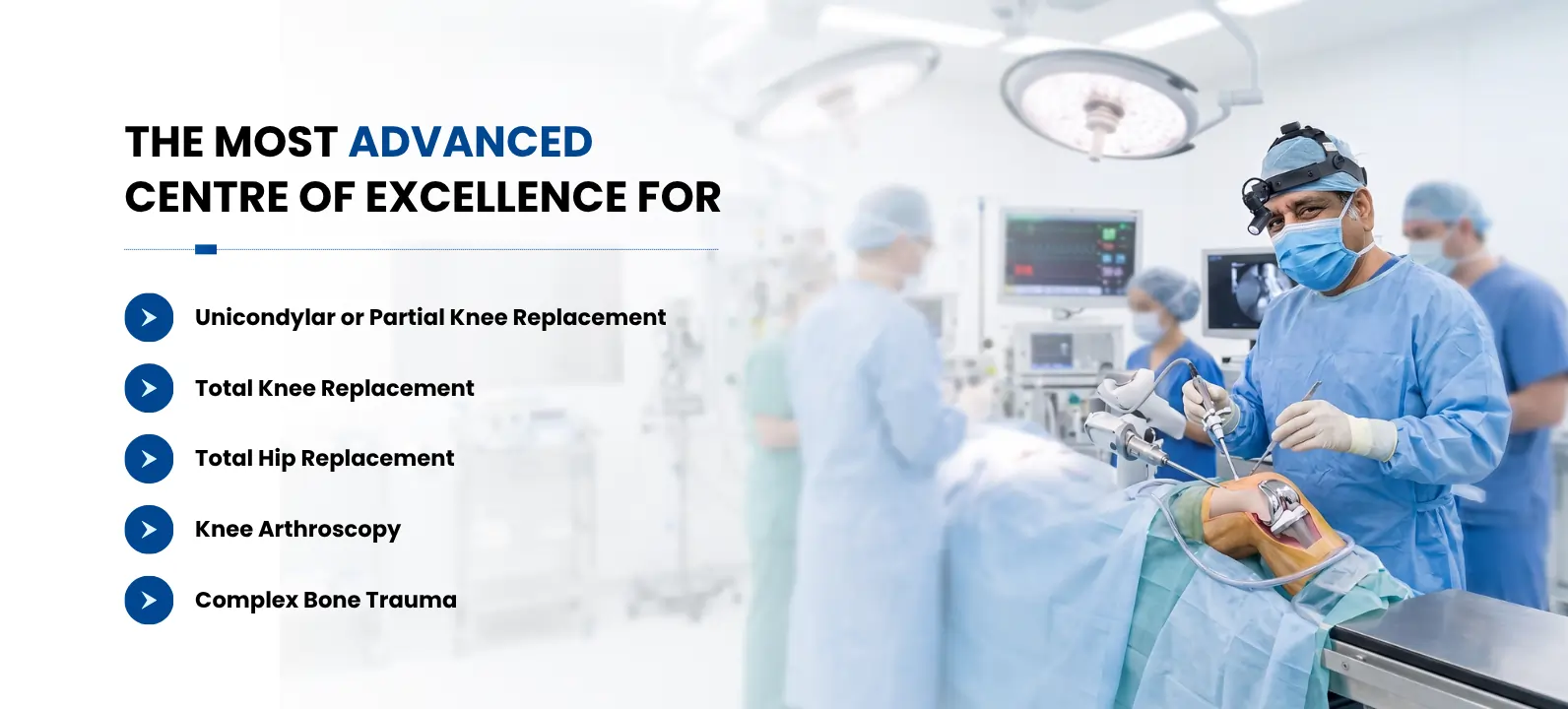
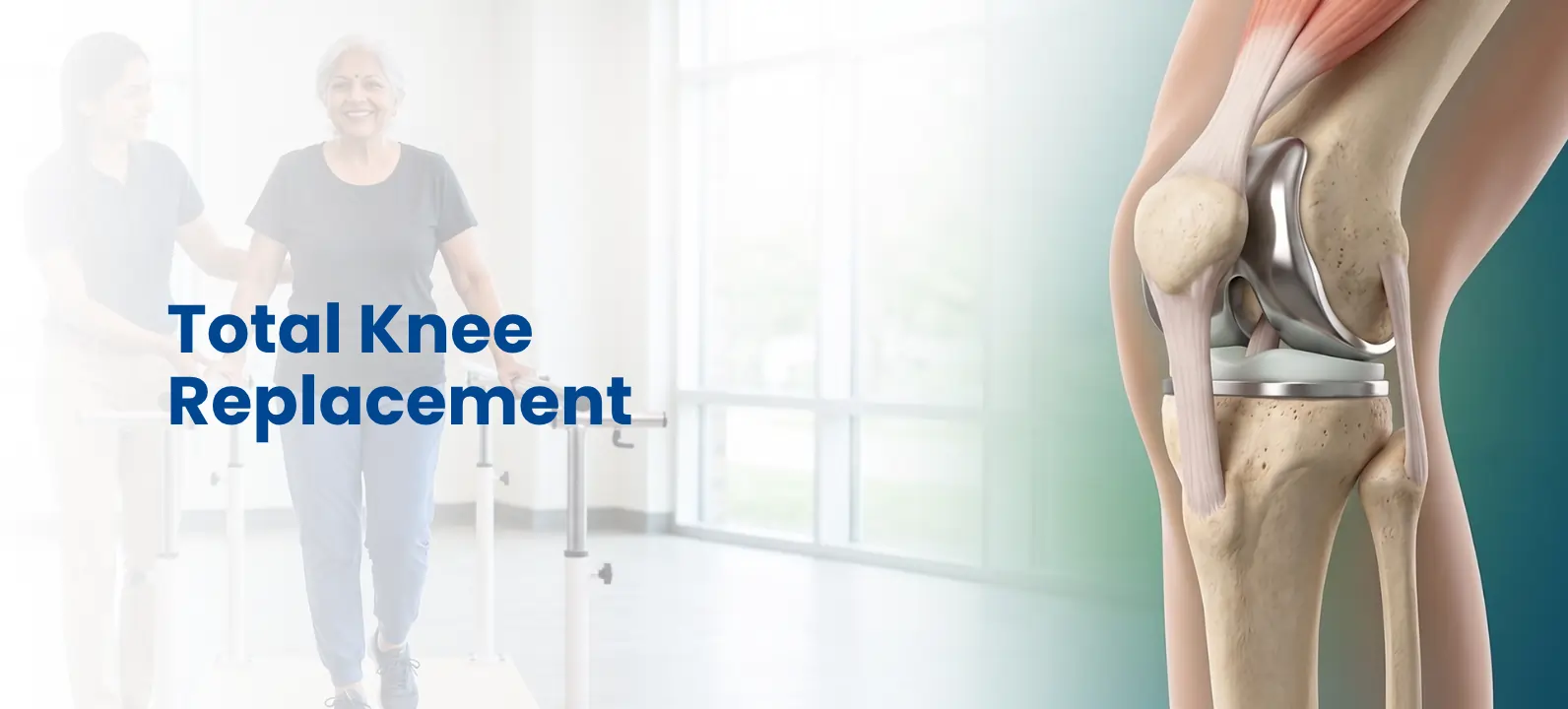
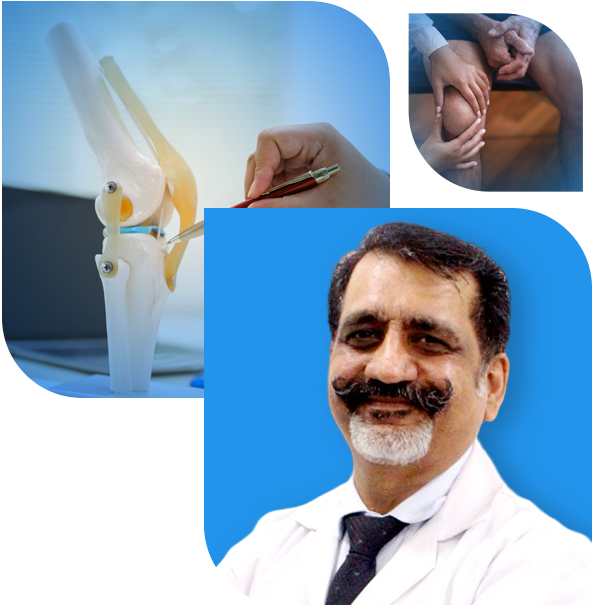
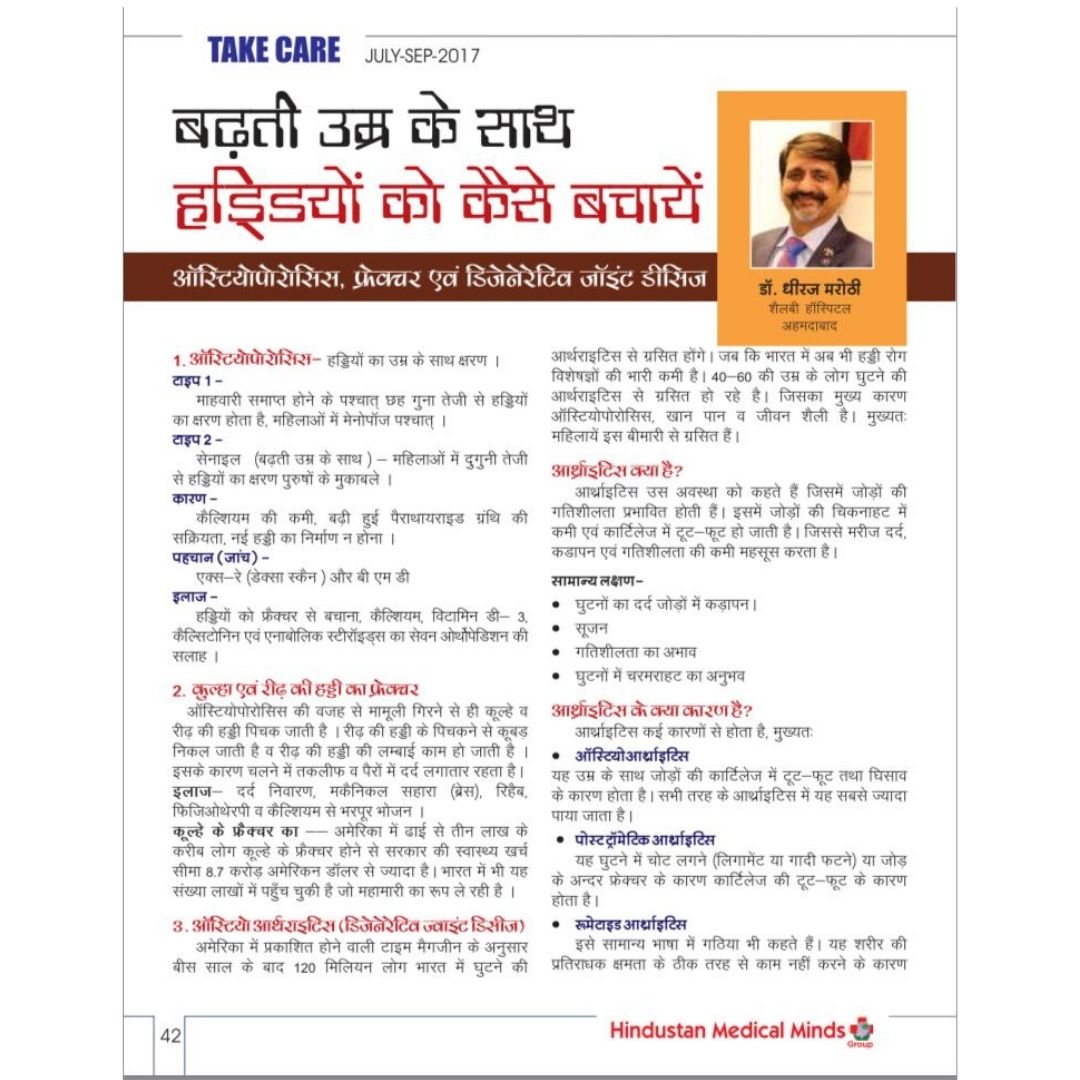
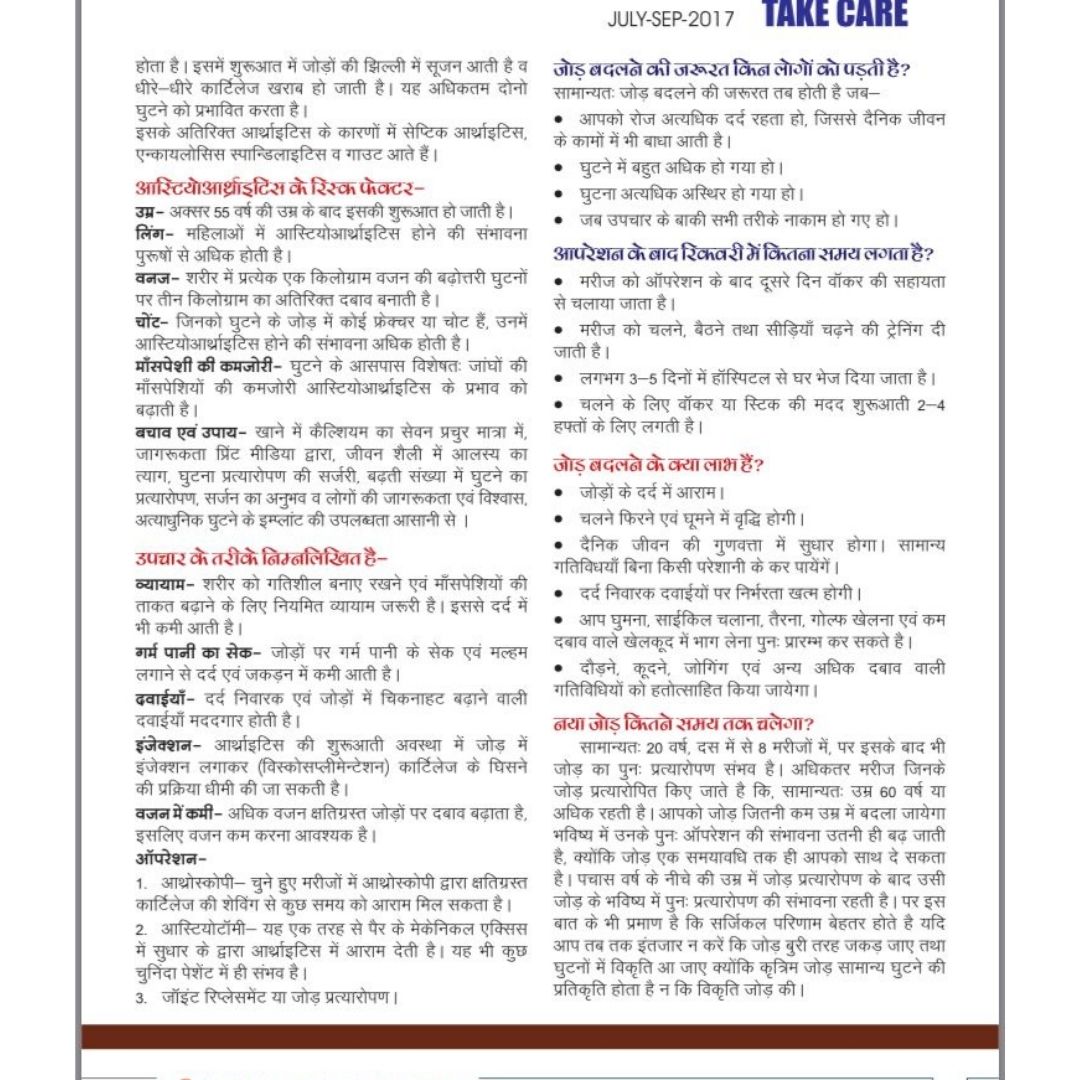
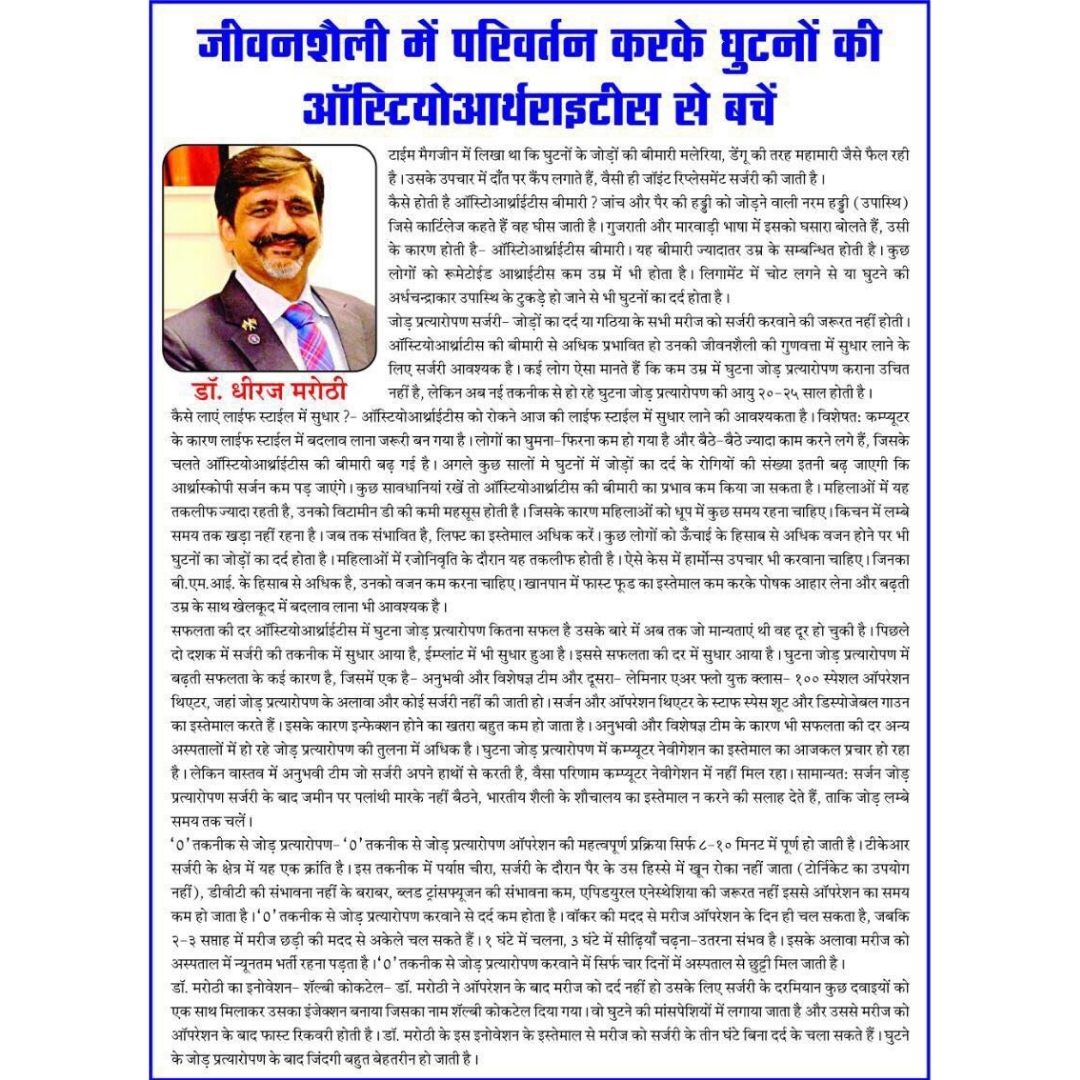
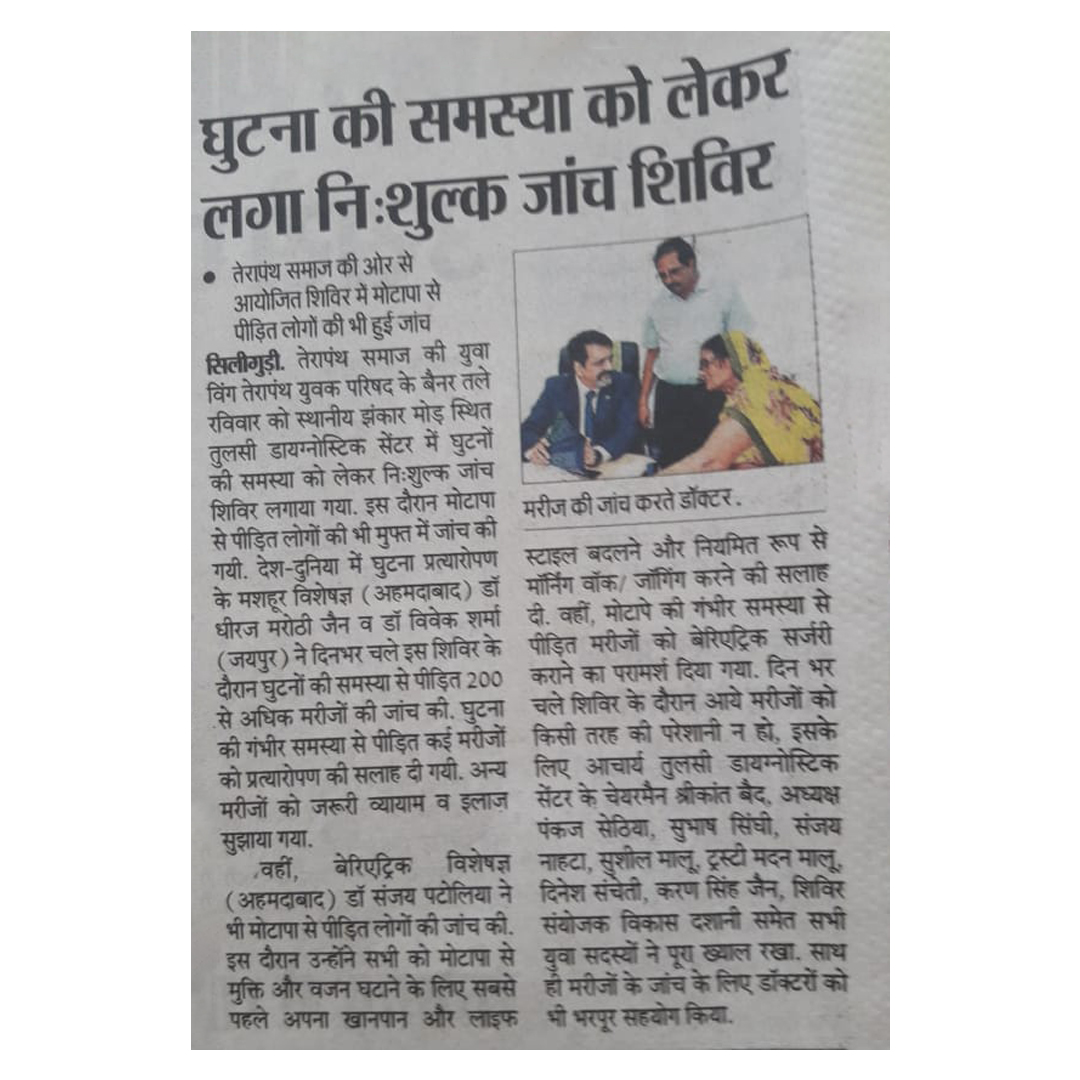
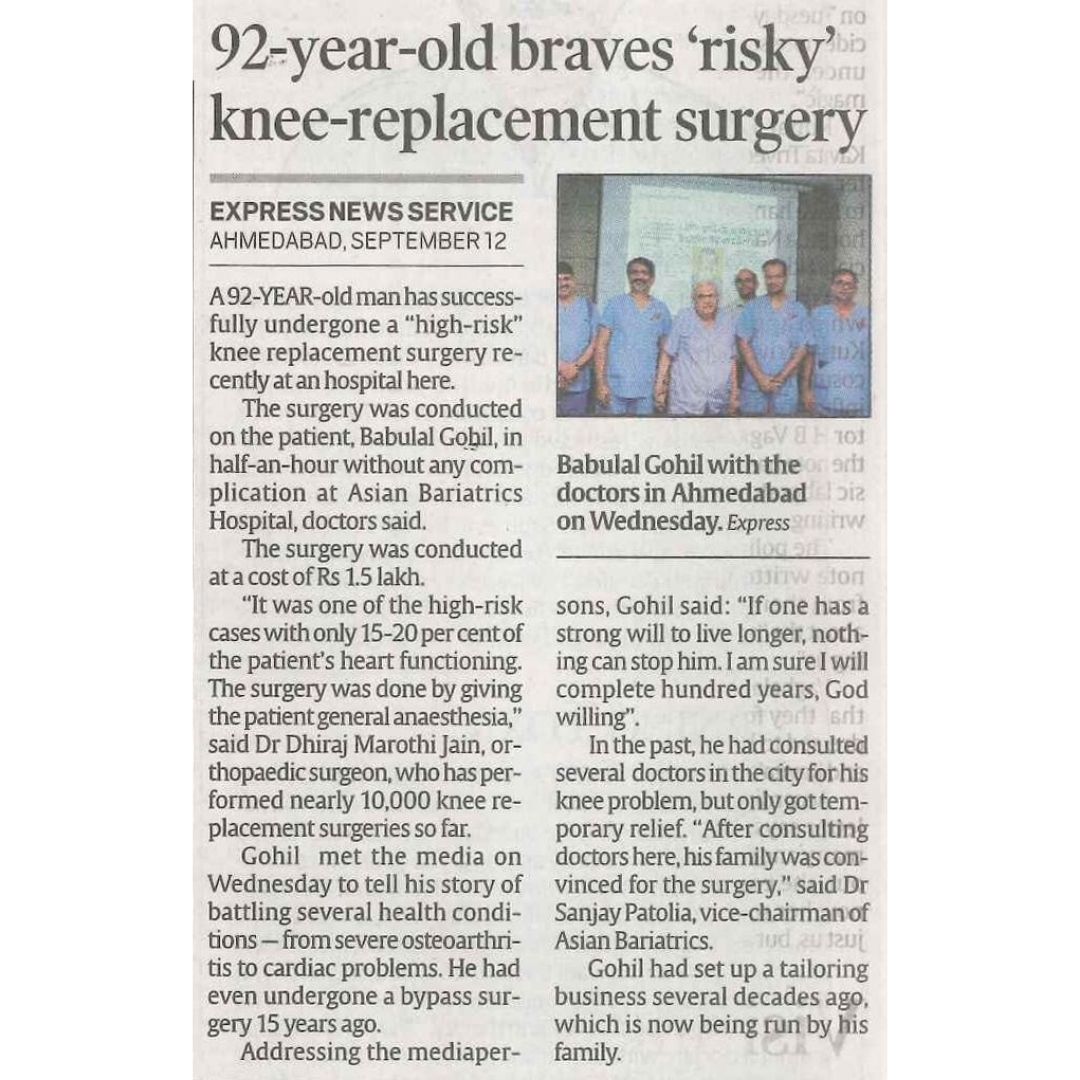
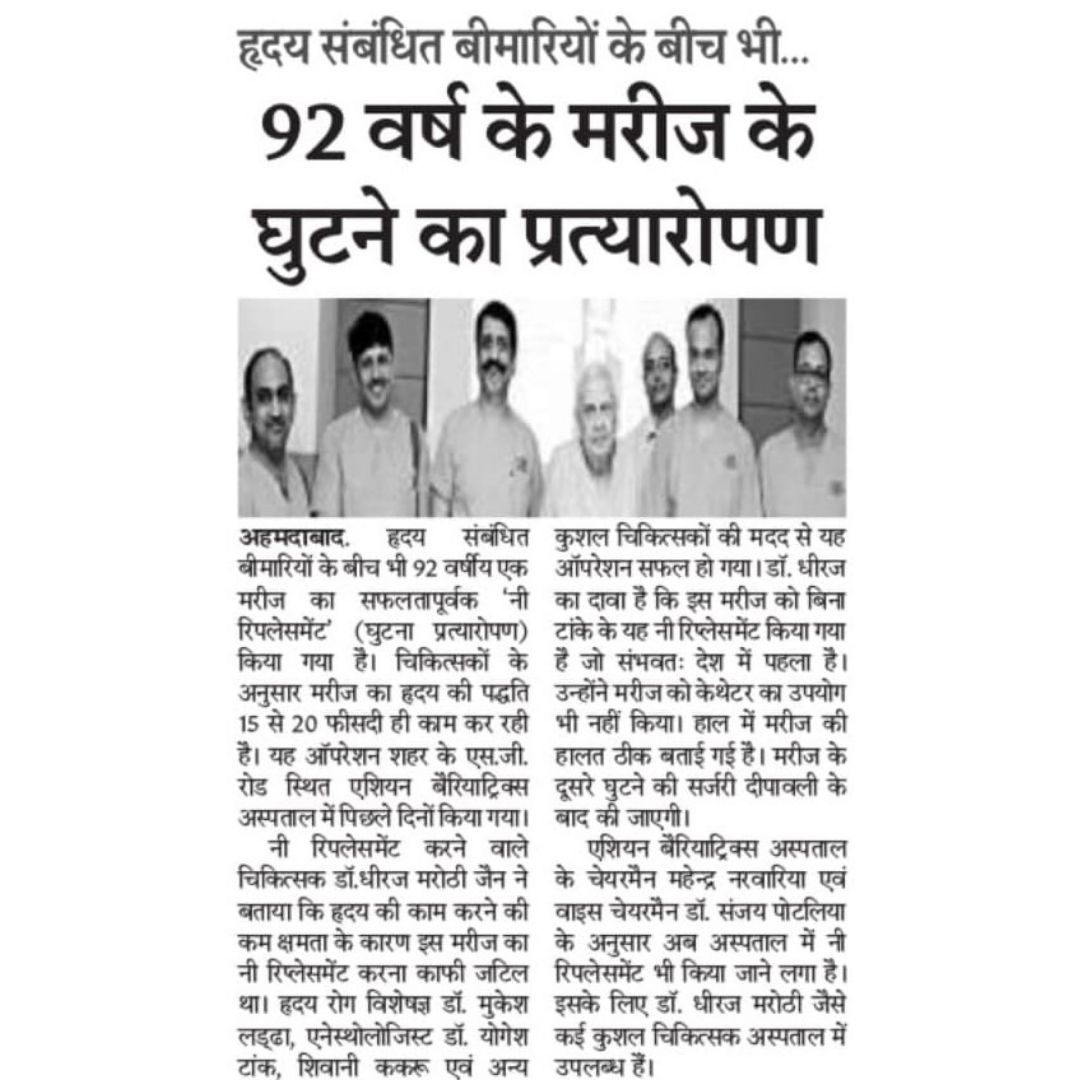
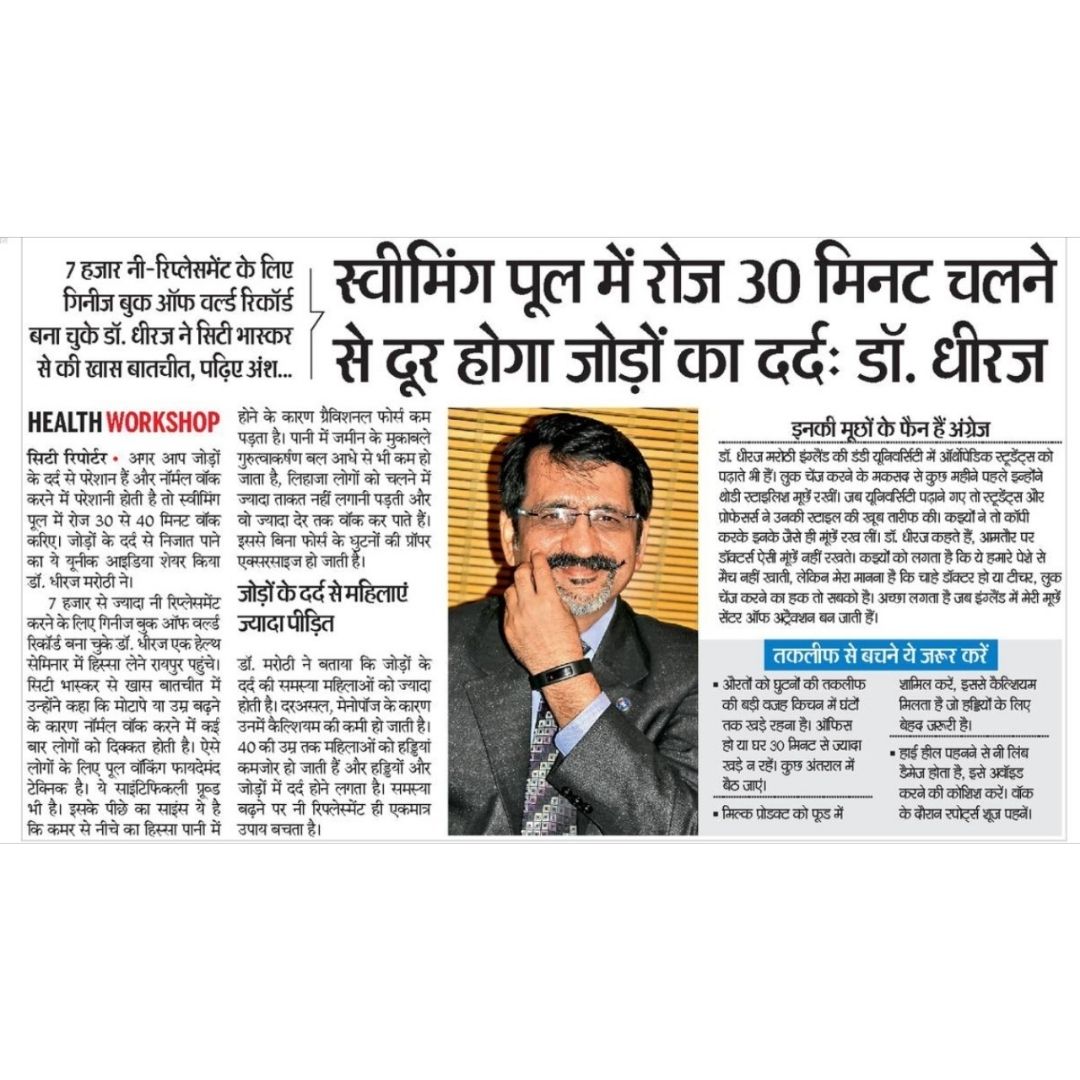
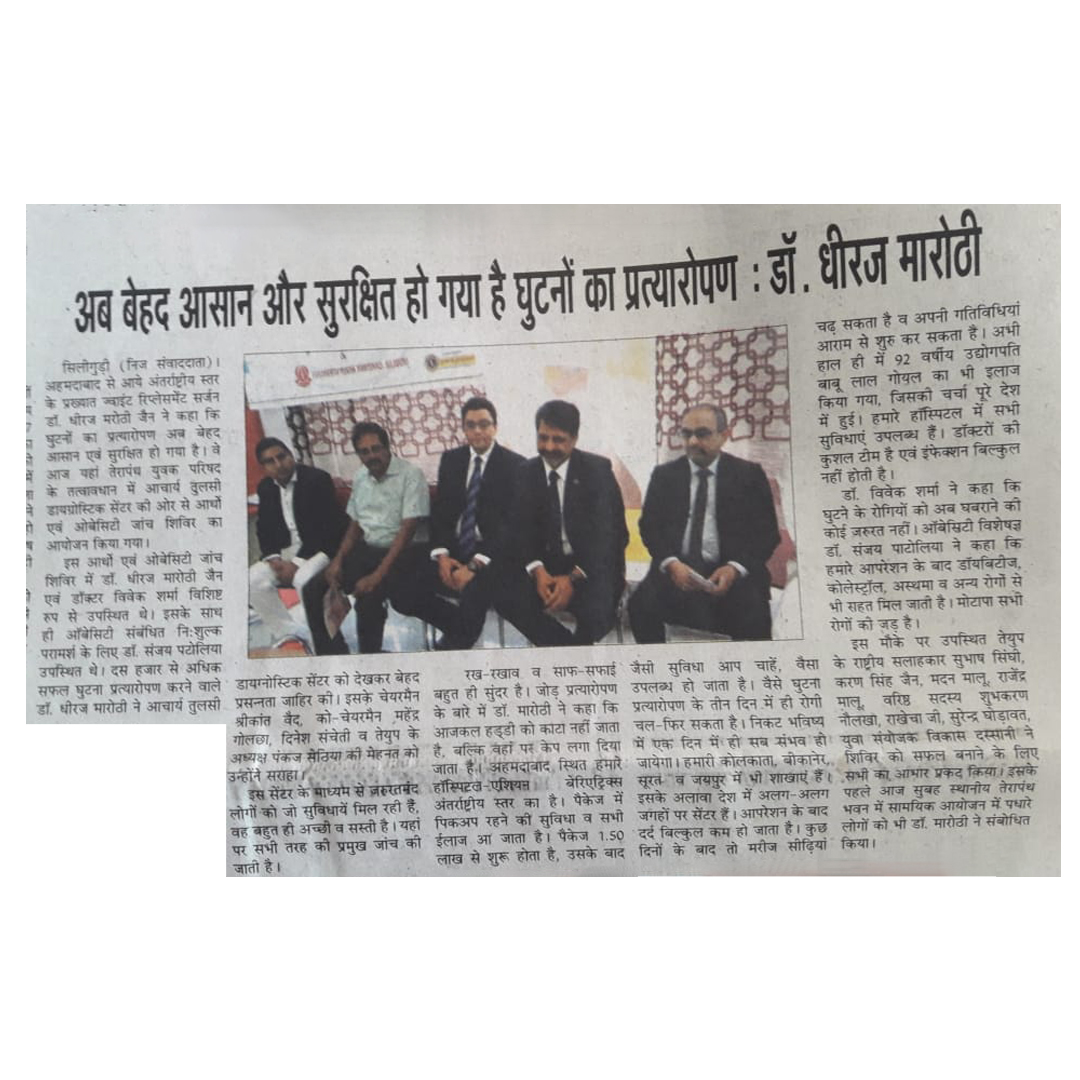
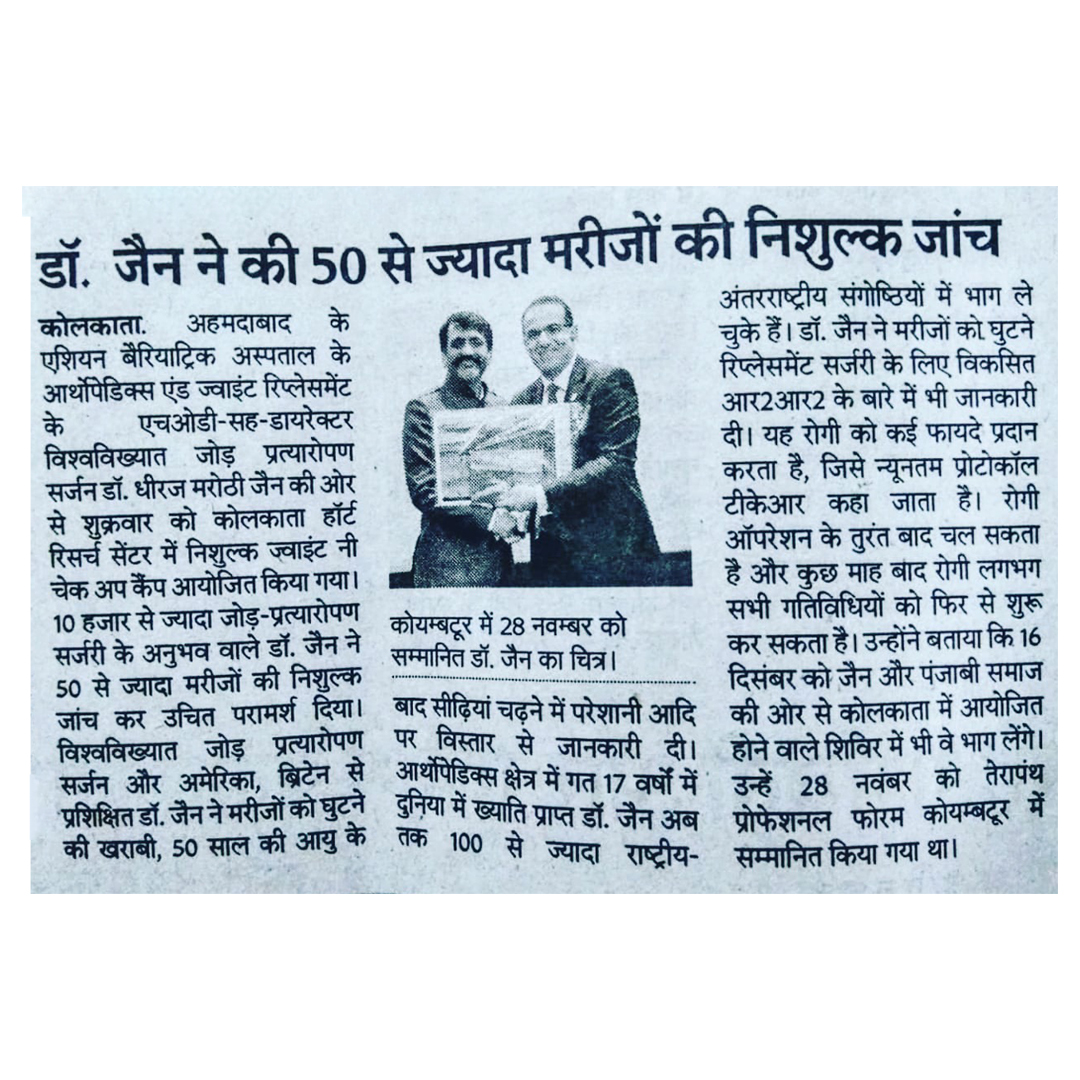
Dr. Dhiraj K. Marothi Jain, internationally fellowship-trained in the USA and UK, specializes in advanced Resurfacing (R2R Technique) Knee Replacement Surgery at Epic Multispeciality Hospital, Ahmedabad.

Advanced Knee Replacement Care

  • R2R Resurfacing Technique
  • Robotic & Precision Joint Replacement Expertise
  • Focus on Early Recovery & Functional Mobility
  • Personalized Treatment & Rehabilitation Guidance Common Symptoms
  • Severe pain while walking or climbing stairs
  • Knee stiffness and reduced movement
  • Difficulty standing after sitting
  • Disturbed sleep due to knee pain
  • Advanced arthritis affecting daily routine Consultation Available At RACE Knee Clinic & Epic Multispeciality Hospital Ahmedabad

Book Appointment – Virtual / Clinic

Symptom Checker

Could Arthroscopy Help You?

The following symptoms may indicate an internal knee problem that arthroscopy can diagnose or treat.

01

Common Knee Symptoms

  • Your knee locks, catches, or clicks mid-movement
  • Swelling that keeps returning despite rest, ice, and anti-inflammatories
  • Your knee gives way unexpectedly when walking or on stairs
  • MRI or X-ray shows cartilage damage, meniscal tear, or ligament injury
  • Knee pain lasting more than 6 weeks despite conservative treatment
  • Knee injury during sport, a fall, or an accident
02

Important Note

Arthroscopy is not appropriate for all knee conditions. Suitability is determined after clinical assessment and review of your imaging by Dr. Marothi.

A consultation helps confirm whether arthroscopy, physiotherapy, medication, injections or another treatment is right for your knee problem.

Advanced Orthopaedic Care

Sport Injuries – Treatment
Physio & Rehab

Expert diagnosis, minimally invasive procedures, rehabilitation,
and recovery plans designed for athletes, active adults,
and sports-related injuries.

Knee Arthroscopy Minimally invasive treatment for ligament injuries,
meniscus tears, cartilage damage, swelling, locking,
and sports-related knee pain.
Shoulder ArthroscopyAdvanced shoulder procedures for rotator cuff tears,
instability, frozen shoulder, sports trauma,
and recurrent dislocations.
Ankle Injuries Comprehensive treatment for ligament sprains,
ankle instability, tendon injuries, fractures,
and sports-related ankle trauma.
Hip ArthroscopyModern hip preservation procedures for impingement,
labral tears, stiffness, groin pain,
and athletic hip injuries.
Procedure Overview

What is Knee Arthroscopy?

Knee arthroscopy is a minimally invasive surgical procedure that allows the surgeon to look inside the knee joint and treat selected problems through small incisions.

A small camera called an arthroscope and fine instruments are inserted into the knee joint through two or three small incisions — typically each less than 1 cm in size. The surgeon views the inside of the joint on a monitor in real time.

Arthroscopy can be diagnostic, to identify the source of pain or instability when imaging is inconclusive, and therapeutic, to treat confirmed problems such as trimming a torn meniscus, removing loose bodies, or repairing cartilage.

30–60 minTypical Procedure Duration*
Day CaseMost Patients Go Home Same Day*
2 Small IncisionsNo Large Open Wound
2–6 WeeksReturn to Light Activity*

*Duration and discharge timeline depend on the specific procedure performed. Dr. Marothi will provide a personalised plan at consultation.

Conditions Treated

Conditions Diagnosed or Treated by Knee Arthroscopy

Knee arthroscopy may be used for selected internal knee problems where minimally invasive diagnosis or treatment is suitable.

  • Meniscal tears — trimming or repair of torn cartilage
  • Anterior cruciate ligament ACL assessment and reconstruction planning
  • Removal of loose bodies — bone or cartilage fragments floating in the joint
  • Cartilage damage — smoothing or microfracture stimulation
  • Synovitis — removal of inflamed joint lining tissue
  • Diagnostic arthroscopy when MRI is inconclusive
  • Plica syndrome — removal of irritated synovial folds
Patient Journey

Your Arthroscopy Journey — Step by Step

Here is what patients can expect from consultation to recovery.

01

Consultation

Review of symptoms, clinical examination, MRI or X-ray assessment, and discussion of whether arthroscopy is indicated.

02

Pre-Operative Assessment

Blood tests, anaesthetic review, and pre-operative instructions. Most procedures are planned within 1–2 weeks.

03

Day of Procedure

Arthroscopy performed under spinal or general anaesthesia using camera and instruments through small incisions.

04

Recovery

Monitored in recovery for 2–4 hours. Most patients are discharged the same day with written instructions.

05

Rehabilitation

Physiotherapy begins within days. Weight-bearing and activity progression are guided by the procedure and recovery.

Patient Experiences

What Patients Say

My knee had been locking for months. The consultation was thorough and the procedure was explained clearly at every step. I was home the same evening — much less daunting than I imagined.

— Anil K., Ahmedabad

I had been managing knee swelling for over a year before consulting Dr. Marothi. He identified the problem quickly and the recovery was smoother than I expected. The support throughout was very professional.

— Priya V., Gandhinagar


Patient experiences are individual and may not reflect typical outcomes.

FAQs

Frequently Asked Questions — Knee Arthroscopy

Is knee arthroscopy a major surgery?

Arthroscopy is classified as a minimally invasive procedure. Compared to open knee surgery, it involves smaller incisions, lower infection risk, faster recovery, and is typically performed as a day case. However, it is still a surgical procedure requiring anaesthesia, and standard surgical risks apply.

Will I be under general anaesthesia?

Most knee arthroscopies are performed under spinal or general anaesthesia. Dr. Marothi and the anaesthetic team will discuss the most appropriate option based on your health and the procedure planned.

How soon can I return to work after arthroscopy?

This depends on your job type and the procedure performed. Desk-based work may be possible within 1–2 weeks. Physical or standing roles typically require 3–6 weeks. Your post-operative review appointment will confirm when return to work is safe.

What conditions can arthroscopy treat vs just diagnose?

Many conditions can be both diagnosed and treated in the same arthroscopic procedure, including meniscal tears, loose body removal, synovitis, and minor cartilage work. Some conditions, such as full ACL reconstruction, may require a separate planned procedure.

How long will the results of arthroscopy last?

Duration of benefit depends on the underlying condition. Meniscus trimming may relieve mechanical symptoms long-term in many patients. However, if underlying arthritis is present, symptoms may gradually return. Dr. Marothi will discuss realistic expectations at consultation.

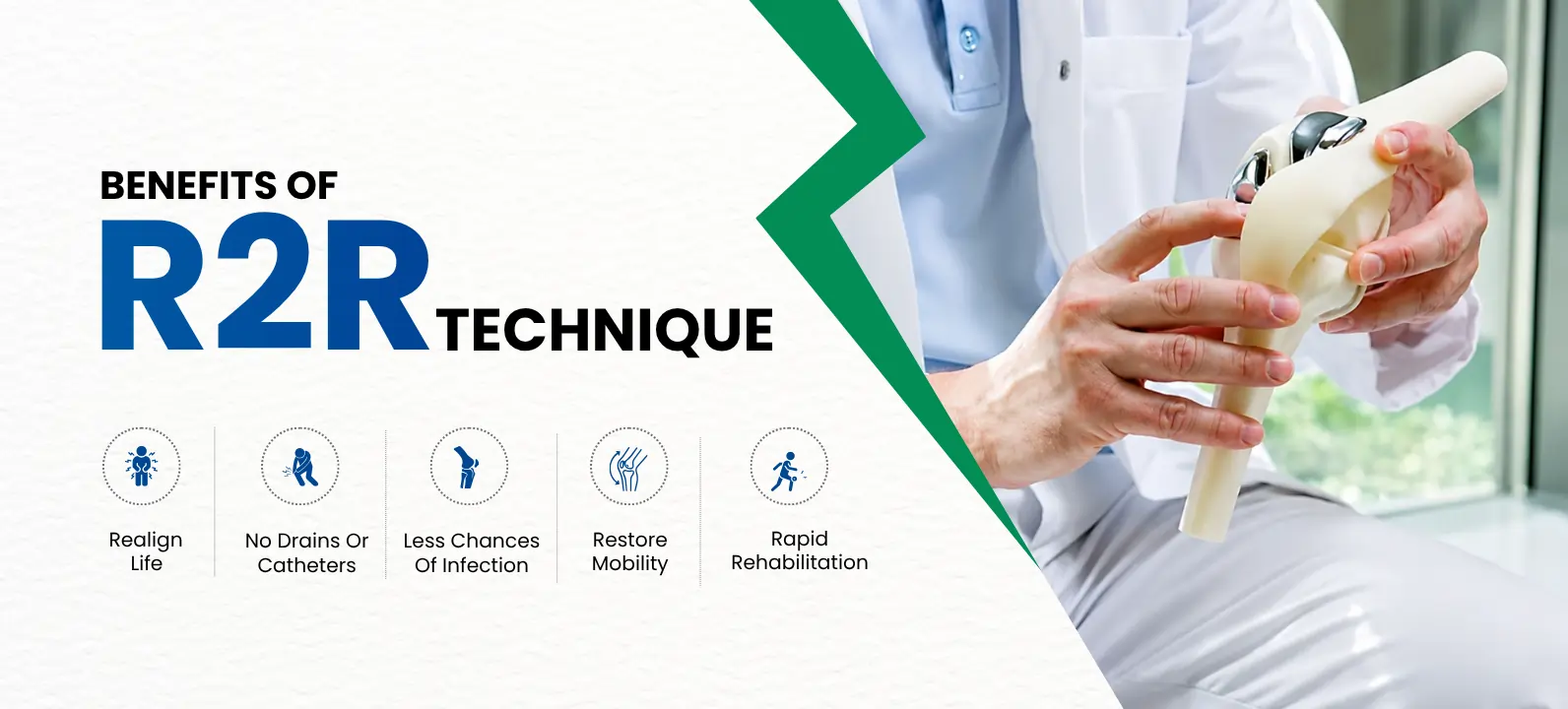
R2R RESURFACING TECHNIQUE ADVANTAGES

What Makes Dr. Dhiraj Marothi Jain’s Technique Different?

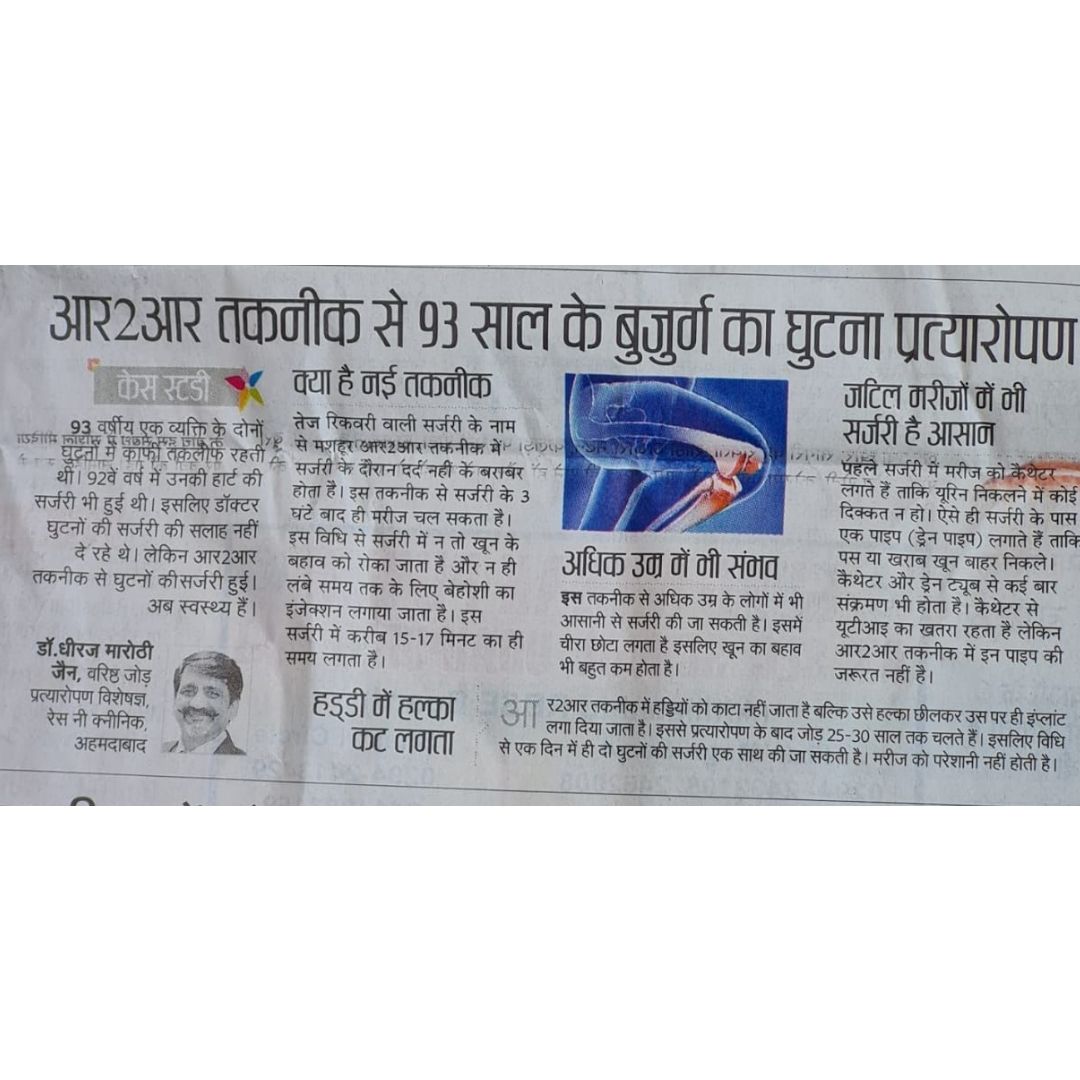
The R2R (Resurfacing to Recovery) Protocol is developed to enhance recovery, improve patient comfort, and achieve more natural knee function through precision-based knee replacement surgery.

  • Less post-operative discomfort compared with traditional knee replacement methods
  • Shorter surgical duration, helping minimise anaesthesia exposure
  • Minimal tissue handling and limited surgical exposure
  • Precise resurfacing of damaged bone and cartilage while preserving natural knee mechanics
  • Advanced Medial Congruent / Medial Pivot implant philosophy designed to replicate natural knee movement and stability
  • Routine use of drains and urinary catheters is generally avoided in suitable patients
  • Early standing and assisted walking typically initiated within 24 hours after surgery
  • Lower infection risk due to reduced operative time and streamlined surgical protocol
  • Faster functional recovery with many suitable patients returning to regular daily activities within approximately 15 days
  • Focus on balanced knee motion, improved confidence while walking, and enhanced patient satisfaction

*Recovery outcomes vary depending on patient age, medical condition, bone quality, body weight, rehabilitation participation, and overall post-operative compliance.

Persistent Knee Pain?
Let’s Find the Cause

A consultation with Dr. Marothi starts with a thorough assessment
— clinical examination, imaging review, and an honest conversation about your
best path forward. Arthroscopy is only recommended when it is the right option for you.

Click To Call

+91 9081977002 / +91 8511677003

Have a question? call us now

bestjointsurgeon@gmail.com

Need support? Drop us an email

Mon–Sat 09:00AM–08:00PM

Our Availability

Call Now Button